
On March 4, 2026, DukeCEO hosted an exclusive hands-on workshop featuring MuleRun, the AI Agent platform that is transforming how professionals and students build intelligent workflows.
Key Highlights
MuleRun AI Agent — Easier to Start Than You Think, More Powerful Than You Expect!
- What is MuleRun: A general-purpose AI agent running on a cloud-based virtual machine, enabling you to build complex automated workflows through simple conversations.
- Core Insight: AI is redefining what "software" means — individuals and small teams can now build fully customized tools for their own needs.
- Use Cases: Automating legal document workflows, targeted LinkedIn outreach, YouTuber discovery, interactive web app generation, game creation, and more.
- Hands-on Results: Within 30 minutes, participants built high-quality agents for energy policy tracking maps, biotech paper commercialization analysis, MacBook market research, and beyond.
- Coming Soon: The "AI Agent Computer" — always online, continuously evolving, and capable of proactive execution.
- Join MuleRun: The MuleRun team is currently recruiting campus ambassadors and interns. If you're interested, feel free to reach out!
Platform Overview
MuleRun is a general-purpose AI agent platform designed to help users automate complex, multi-step workflows.
Initially, MuleRun was positioned as an AI agent marketplace — enabling developers to distribute and monetize agents they had already built. However, as foundational model capabilities rapidly improved and the barrier to building agent workflows continued to fall, MuleRun pivoted toward developing its own general-purpose AI agent product. A beta version was officially launched this February.
The platform allows users to:
- Build AI-powered workflows
- Automate complex tasks
- Save workflows as reusable templates
- Share workflows with others
MuleRun enables users to turn personal experience into scalable, reusable systems.
What Can an AI Agent Actually Do?
To demonstrate the platform's capabilities, Jacob showcased several real-world use cases during the event.
- Use Case 1 — Automated Legal Document Filling: Users simply upload a template document and provide key inputs. The agent then completes the document automatically, significantly reducing manual effort.
- Use Case 2 — Targeted LinkedIn Outreach Workflow: Once logged in, the agent scans a user's network, identifies relevant contacts based on specific criteria, and generates personalized outreach messages for each individual.
- Use Case 3 — YouTube Creator Evaluation for Partnerships: The agent analyzes recent videos from a given channel, tracking metrics such as views, comments, and likes. It evaluates engagement quality and even detects suspicious activity (e.g., bot-generated comments), providing a structured assessment of creator quality.
Additional examples demonstrated:
- History Education: Automatically generates animated visualizations and interactive SVG maps of territorial changes in medieval France.
- Curriculum Transformation: Converts high school biology PDFs into interactive HTML learning pages with animated simulations.
- Game Development: Builds playable games (e.g., poker, shooting games) with minimal prompting.
Q&A — Getting Started with AI Agents
Q: How do you effectively guide an agent?
A: Break down the task and iterate step by step.
For example, if your goal is to extract data from a video channel, detect abnormal accounts in the comments, export the data into a table, and generate analysis — a better approach is to test incrementally:
- Can the agent open the video page?
- Can it access the comments?
- Can it identify commenter profiles?
- Can it export data into a table?
- Can it scale this process across multiple videos?
This iterative approach improves success rates and makes debugging and prompt optimization significantly easier.
Q: How does MuleRun handle long-term projects with large context requirements?
A: Two key mechanisms:
- Treat the code repository as persistent context.
- Use a Skills.md system — each skill file contains a description. During execution, the agent scans descriptions first and only loads full content when relevant. This enables efficient "on-demand context loading" within limited context windows, significantly reducing token usage.
Q: How do you prevent agents from damaging your local codebase?
A: MuleRun provides three layers of protection:
- GitHub version control as the first safeguard.
- All agent actions are strictly user-triggered.
- Each task runs in an isolated, temporary sandbox container that is destroyed after execution — ensuring no impact on your local environment.
Q: How is cost calculated?
A: Credits are mainly consumed in three areas:
- Workflow orchestration
- Token usage during web interactions
- Compute resources
Thanks to infrastructure support (e.g., Alibaba Cloud), costs remain manageable. Users are encouraged to monitor credit consumption in real time when building workflows.
Hands-On Session — More Powerful Than You Think
Participant 1: Danilo — Three High-Impact Workflows
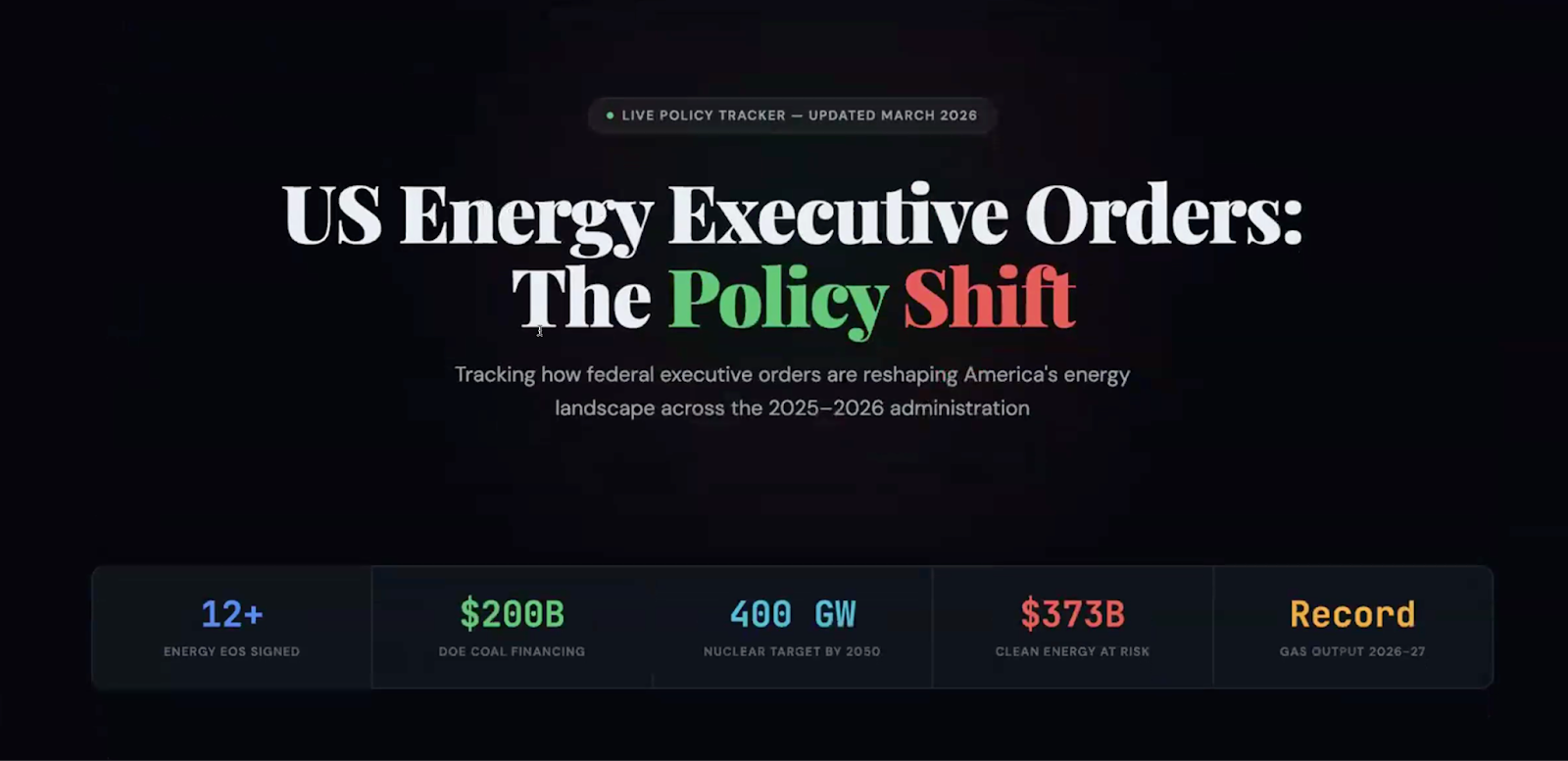
Danilo demonstrated three powerful agent workflows:
- Energy Policy Impact Analysis: The agent collects and summarizes recent U.S. executive orders, generating an interactive HTML timeline that visualizes how different energy sectors are affected — clearly labeling "winners" and "losers."
- Global Critical Minerals Map: Using public datasets, the agent builds an interactive map showing global distribution and processing capacity of critical minerals. Users can filter by mineral type and by stage (mining vs. processing).
- World Cup Probability Modeling: The agent estimates Brazil's chances of winning the World Cup, as well as the probability of matches being held in Dallas or Houston.
Participant 2: Rong — From Research Papers to Commercial Opportunities
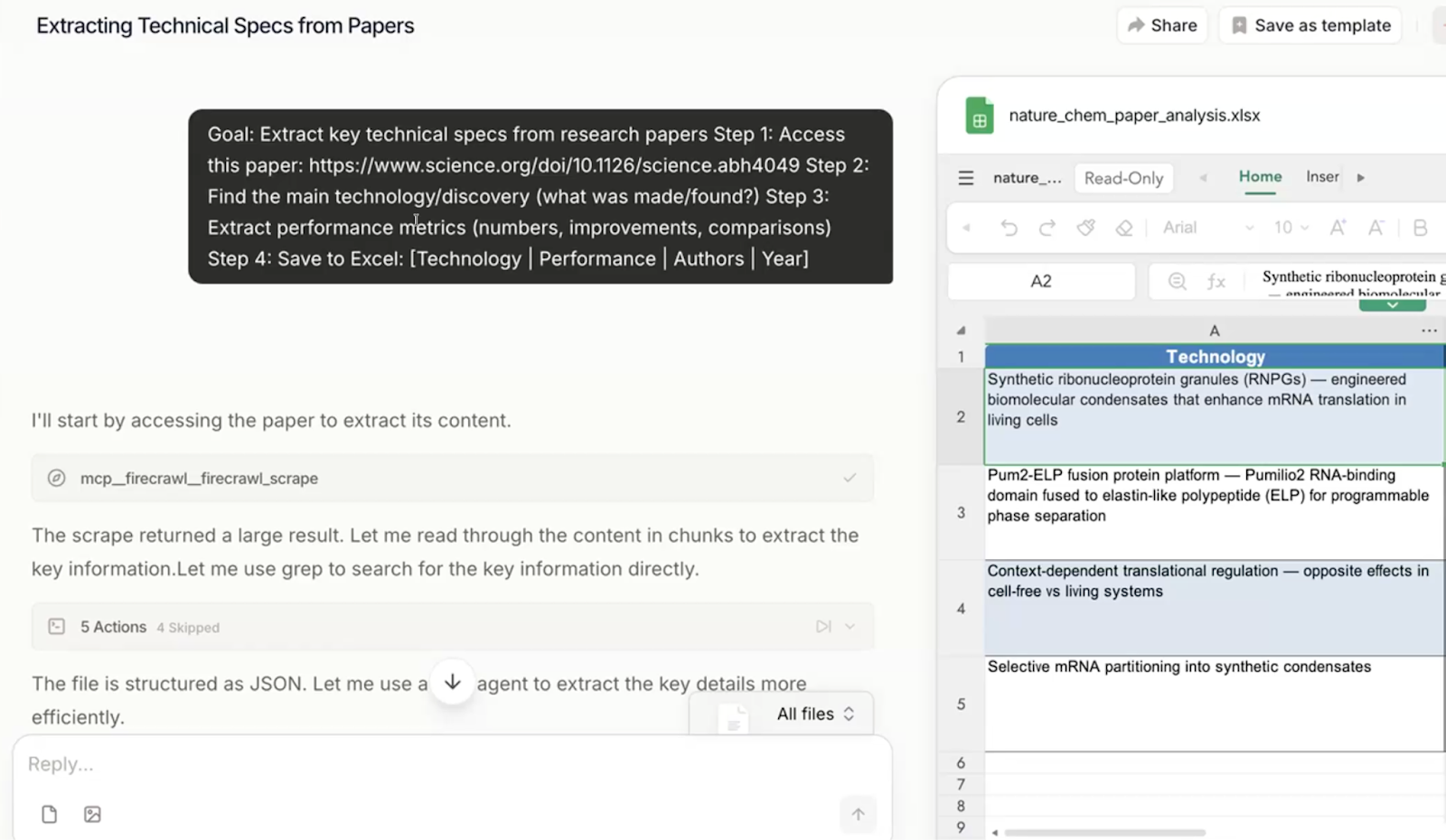
Rong built a multi-step workflow that transforms academic research into actionable industry insights:
- Extract core technologies from research papers.
- Search Google Patents for related filings.
- Identify industries applying the technology.
- Map relevant companies in those sectors.
This workflow bridges the gap between scientific discovery and real-world commercialization.
Participant 3: Ruizi — End-to-End Market Research Agent
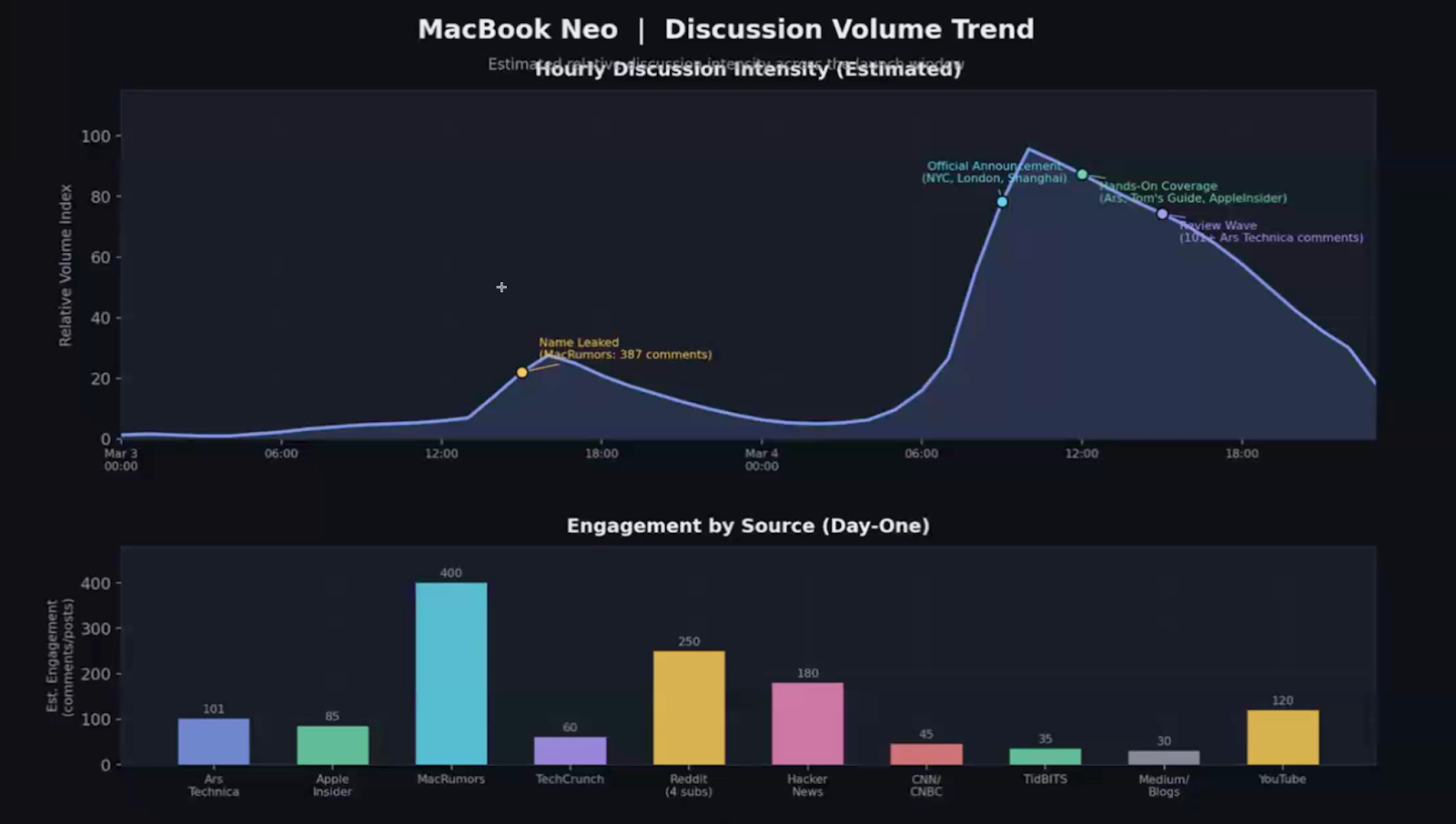
Ruizi created a full-stack market research workflow for the new MacBook Neo, including:
- Sentiment & Trend Analysis: Aggregating discussions from platforms like Reddit, Hacker News, and MacRumors.
- User Sentiment Insights: Strong satisfaction with pricing, but concerns around performance.
- Sales Forecasting: Modeling both conservative and optimistic scenarios.
The agent ultimately compiled all findings into a structured, exportable PDF market research report.
All three presenters were awarded MuleRun Pro subscriptions in recognition of their outstanding work.
What's Next — The AI Agent Computer
Jacob also unveiled an upcoming release planned for mid-March: the AI Agent Computer.
This new system introduces three key capabilities:
- Always On: Agents run continuously in the background — no need for manual triggering.
- Self-Evolving: Agents accumulate context over time, improving through iteration and learning.
- Proactive Execution: Users can define trigger conditions, enabling agents to monitor and act autonomously.
With the AI Agent Computer, agents move from passive tools to active systems:
- Execute actions when Bitcoin drops below $60,000.
- Generate impact reports when the Fed announces a rate hike.
- Automatically purchase tickets when World Cup tickets go live in Dallas.
If today's agents are "on-demand tools," this next step moves closer to always-on digital teammates.
Closing Thoughts
From live demos to hands-on building, from Q&A discussions to real results, the MuleRun Workshop showed something important:
AI agents are no longer just a trending idea — they are becoming practical, usable tools that can be embedded into real workflows. They may not replace everything you do today. But they are already powerful enough to help you take the first step: offloading repetitive, complex, and time-consuming tasks to an AI system that can actually execute.
Get Involved
MuleRun is currently recruiting campus ambassadors and interns (office based in Sunnyvale, CA). If you're interested, feel free to reach out to Jacob directly, or get a referral through DukeCEO.